




How Often Should an RO Membrane Be Replaced?
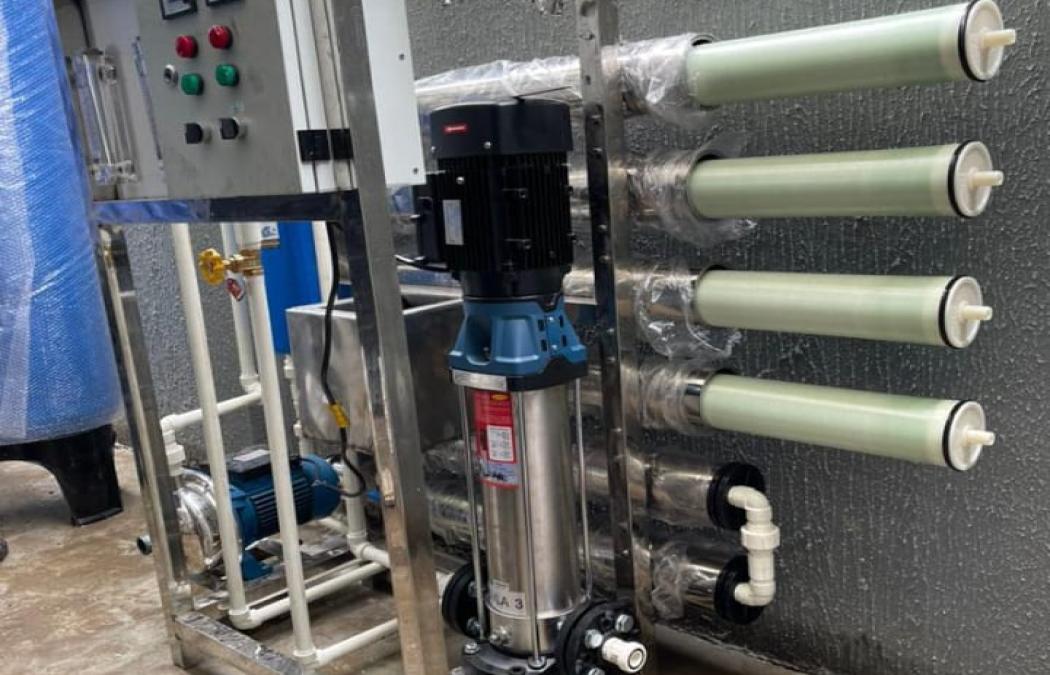
Reverse osmosis (RO) systems are widely used to produce clean, high-quality water. One of the most important parts of an RO system is the semipermeable membrane, which removes contaminants. Over time, this membrane becomes less effective and must be replaced. This article explains what affects membrane life and the best practices for knowing when to replace it.
Overview of RO Membrane Function
RO systems use several filtration stages to remove particles, chemicals, microorganisms, and other impurities. The RO membrane is the core of the system. It is a thin-film composite with tiny pores that block dissolved salts and other contaminants.
Water is pushed through the membrane under high pressure. Clean water passes through, while most impurities stay behind and are flushed away. Over time, contaminants build up on the membrane surface, causing fouling and reducing performance.
Typical RO Membrane Lifespan
The life of an RO membrane depends on many factors. Under good conditions, residential membranes last 2–5 years, and light commercial systems last 5–7 years. Poor water quality or poor maintenance can shorten this.
For most homes, expect to replace the membrane about every 3 years. If water quality is poor or usage is high, replacement may be needed every 1–2 years.
Factors That Affect Membrane Longevity
Several factors determine how long an RO membrane will last:
Water quality: High sediment or certain chemicals cause faster fouling. Well water is especially challenging.
Water usage: Heavy use wears out the membrane faster.
Maintenance: Not cleaning the membrane or changing filters reduces lifespan.
Pressure: Too low or too high pressure puts stress on the membrane.
Age: All membranes naturally lose performance over time.
Temperature: Warm water increases flow but reduces lifespan; cold water slows production but preserves the membrane.
Signs It’s Time to Change the Membrane
The clearest sign is reduced water flow. As the membrane fouls or scales, production drops.
Other indicators include:
Lower rejection rate (more contaminants passing through)
High TDS in the product water
Changes in pH
Bad smell or taste
Failure to remineralize
Leakage around the brine seal
3–5 years of use
Regular flow testing and annual membrane inspections help detect issues early.
Best Practices for RO Membrane Replacement
When replacing the membrane:
Check and replace all other filters
Flush valves, tubing, and housings
Follow manufacturer instructions
Disinfect the system with chlorine after installation
Ensure proper membrane orientation
Lubricate o-rings and brine seal
Re-pressurize and check for leaks
Flush the new membrane
Test product water quality
Replacing pre-filters and removing old scale will help the new membrane last longer.
How to Improve Membrane Longevity
You can extend membrane life with proper design and maintenance:
Use good pretreatment and multi-stage prefiltration
Flush membranes regularly
Perform occasional deep cleaning
Maintain feed water pH between 3 and 11
Fix leaks immediately
Avoid excessive flow rates
Keep pressure between 50–125 psi
Keep temperature near 77°F (25°C)
Replace membranes on a set schedule
Good maintenance ensures stable performance and reduces long-term costs.
Replacing RO membranes is a normal part of system ownership. In most homes, plan for replacement about every 3 years. Heavy use or poor water quality may require changes every 1–2 years.
Monitor water flow and water quality. When performance drops, the membrane likely needs replacement. With proper care and operating conditions, you can maximize membrane life, but all membranes will eventually need to be replaced.