




The Ultimate Guide to Pump Materials: What Every Engineer and Homeowner Must Know
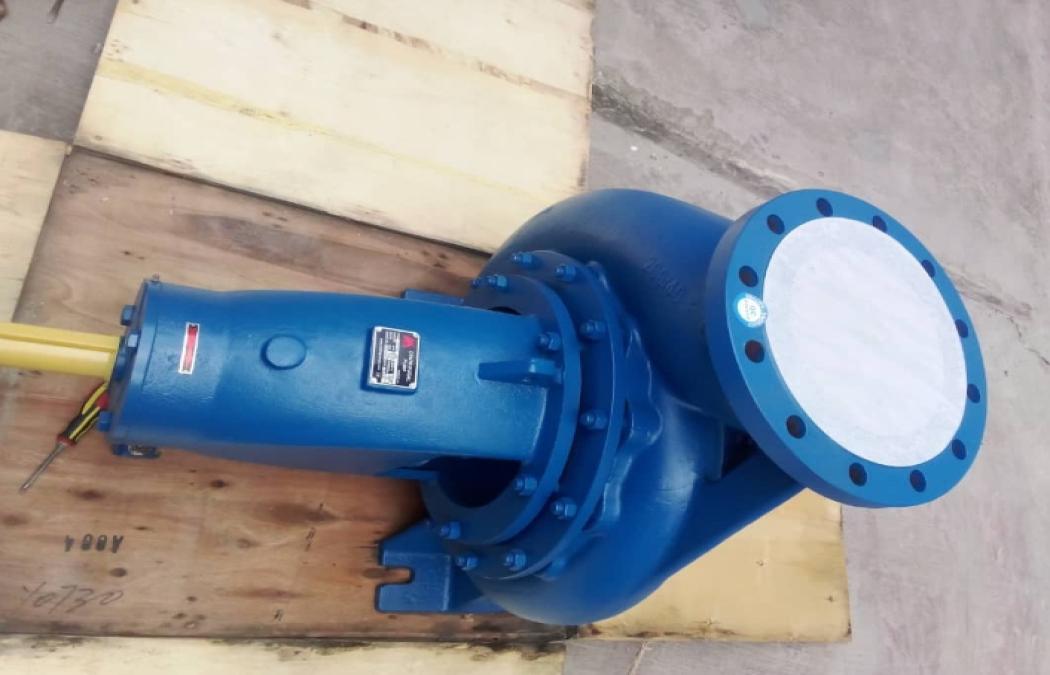
Pumps play an essential role in homes, industries, farms, and water treatment systems. While many people focus on pump size or power, the material used to build a pump is just as important. Pump material determines how long the pump will last, how well it performs, and the type of fluid it can safely handle.
Why Pump Material Matters
Pump materials influence key factors such as durability, corrosion resistance, strength, cost, and the pump’s suitability for different applications. Understanding these materials helps users make informed decisions when selecting the right pump for their needs.
Common Pump Materials and Their Uses
1. Cast Iron
Cast iron is known for its strength and affordability. It is commonly used for general water pumping tasks because it performs well under normal conditions. However, it is not suitable for salty or acidic water and can rust if not properly protected.
2. Stainless Steel (SS304 / SS316)
Stainless steel is a rust-resistant and high-strength material. It can handle high temperatures and is safe for drinking water applications. It is widely used for borehole pumps, hot water systems, and food-related industries. Although it offers superior performance, it is more expensive than cast iron.
3. Bronze and Brass
Bronze and brass are highly resistant to corrosion, especially in marine environments. They are ideal for pumps that handle seawater or are used in fire-fighting systems. Despite their durability, these materials are costly.
4. Plastic and Thermoplastics (PP, PVC, PVDF, Nylon)
Plastic materials are lightweight, corrosion-proof, and excellent for handling chemicals. They are commonly used in chemical plants and wastewater applications. However, they are not suitable for high-pressure or high-temperature conditions.
5. Ductile Iron
Ductile iron has high strength and is capable of handling solids, making it useful for sewage and industrial pumps. It often requires a protective coating to prevent corrosion.
6. Carbon Steel
Carbon steel is strong and capable of handling high-pressure systems. It is frequently used in petroleum and gas applications. However, it rusts easily and is not recommended for drinking water.
7. Ceramic
Ceramic materials resist wear and are excellent for handling abrasive fluids such as slurry or sewage. Their main limitation is brittleness.
How to Choose the Right Pump Material
For drinking water:
- Stainless steel
- Bronze
- Food-grade plastic
For salty water:
- Bronze
- Stainless steel 316
For sewage:
- Ductile iron
- Coated cast iron
For chemicals:
- Plastics such as PP or PVDF
- Stainless steel 316
For boreholes:
- Stainless steel
Choosing the correct pump material helps ensure longer lifespan, reduced maintenance, and better pump performance overall.