



Your Water Treatment Plant Didn’t Break Suddenly — This Is What Really Caused It
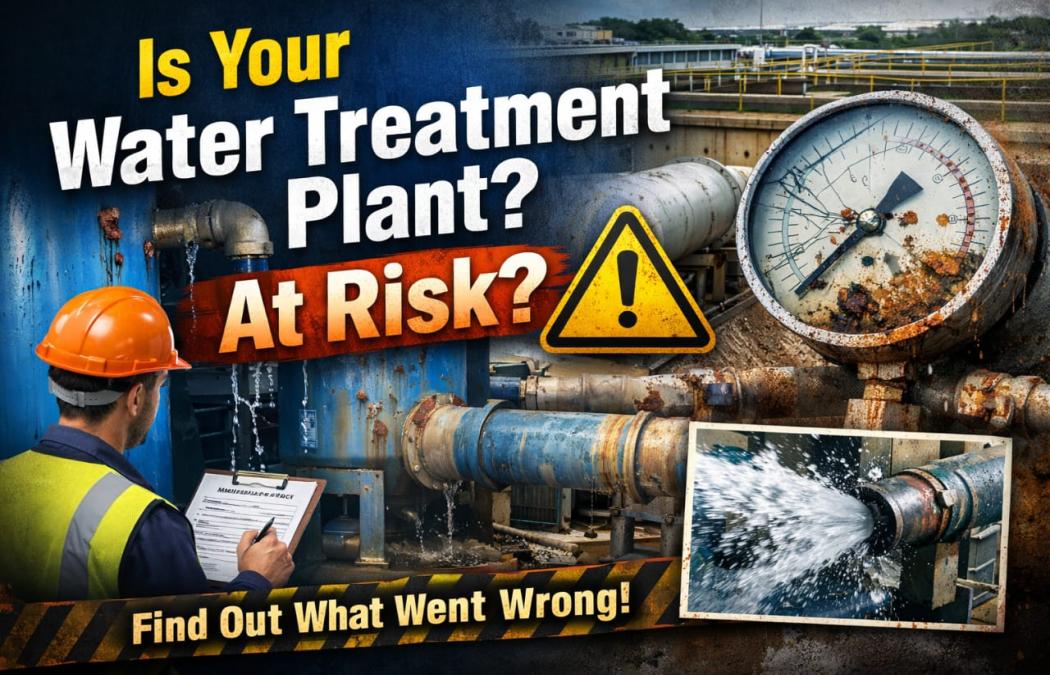
Most plant failures don’t happen overnight.
They build quietly — one ignored check, one delayed service, one small warning nobody followed.
How Often Should You Do Maintenance on Your Water Treatment Plant?
It’s a simple question with expensive consequences if answered wrongly.
Too little maintenance damages equipment. Too much wastes money. The right balance saves both.
A Simple, Practical Guide
No theories. No manufacturer fluff.
Just real maintenance routines that work under African operating conditions — power fluctuations, raw water variability, and all.
If you run a water treatment plant — small or large — one question always comes up:
“How often should I service this system?”
The short answer is: maintenance is not occasional, it is routine.
The long answer depends on your plant size, water source, and how often you operate it.
This guide breaks it down clearly, using real-world conditions common across Africa.
Why Maintenance Matters More Than You Think
Most operators notice maintenance only when something fails.
By then, the damage is already expensive.
A water treatment plant is not a “set it and forget it” system.
Without regular maintenance:
- Water quality drops
- Equipment wears out faster
- Power consumption increases
- Sudden breakdowns become frequent
- Operating costs quietly rise
With proper maintenance:
- Water stays safe and consistent
- Equipment lasts longer
- Downtime is reduced
- Running costs stay predictable
Maintenance is cheaper than repairs. Always.
Maintenance Frequency — The Simple Breakdown
Instead of guessing, follow a rhythm.
Each level of maintenance catches problems at a different stage — before they grow.
Daily Maintenance (Every Day You Operate)
Most failures start as tiny, visible signs.
Daily checks are where you catch them first.
What to Do
- Check inlet and outlet pressure
- Inspect pumps for noise or vibration
- Observe flow rate
- Check for leaks
- Confirm treated water quality (basic TDS, turbidity, taste)
Why It Matters
Small changes show up first on daily checks. Catching them early saves money.
Weekly Maintenance (Once a Week)
Dirt, sediment, and scale don’t wait for months.
Weekly care stops slow blockages before performance drops.
What to Do
- Clean pre-filter housings
- Backwash sand or multimedia filters
- Check chemical dosing levels
- Inspect electrical connections
- Flush sediment traps
Why It Matters
Weekly care prevents clogging, scaling, and pressure loss.
Monthly Maintenance (Every 30 Days)
This is where hidden problems begin to reveal themselves.
If something is wearing out, this is when you’ll notice.
What to Do
- Replace or clean cartridge filters
- Inspect pump seals and bearings
- Check membrane pressure drop (for RO systems)
- Inspect control valves and solenoids
- Test treated water more thoroughly
Why It Matters
Most performance issues begin to show after weeks of operation.
Quarterly Maintenance (Every 3 Months)
Efficiency doesn’t disappear suddenly — it fades.
Quarterly checks restore performance before losses become permanent.
What to Do
- Chemical cleaning of RO membranes (if required)
- Inspect storage tanks for contamination
- Check pipe joints and fittings
- Calibrate instruments (TDS meters, pressure gauges)
Why It Matters
This keeps your plant running at designed efficiency.
Bi-Annual Maintenance (Every 6 Months)
By now, wear and tear is unavoidable.
Ignoring it is how small faults become shutdowns.
What to Do
- Service pumps and motors
- Inspect electrical panels
- Review system performance trends
- Replace worn seals and valves
Why It Matters
Prevents sudden major failures and costly shutdowns.
Annual Maintenance (Once a Year)
This is your reset point.
It’s where you decide whether the plant keeps serving you — or starts draining you.
What to Do
- Replace worn membranes (if needed)
- Inspect pressure vessels
- Service raw water intake system
- Review plant capacity vs demand
- Update maintenance records
Why It Matters
Annual servicing extends plant lifespan and ensures compliance with water standards.
Maintenance Schedule by Plant Type
Not all plants age the same way.
Your maintenance routine must match how hard the system works.
Small Domestic or Commercial Plants
(Hotels, schools, estates)
These systems fail quietly because they’re underestimated.
- Daily: Basic checks
- Weekly: Filter cleaning
- Monthly: Cartridge replacement
- Yearly: Full inspection
Industrial or Bottled Water Plants
Here, downtime is lost revenue.
Maintenance is not optional — it’s part of production.
- Daily: Mandatory checks and logging
- Weekly: Backwashing and cleaning
- Monthly: Performance testing
- Quarterly: Chemical cleaning
- Yearly: Major servicing
Signs You’re Not Maintaining Enough
Your plant always warns you before it fails.
The mistake is ignoring the signs.
If you notice any of these, maintenance is overdue:
- Drop in water pressure
- Increase in power bills
- Bad taste or odor in water
- Frequent pump failure
- Rising TDS after treatment
- Unusual noise from equipment
Ignoring these signs always leads to bigger damage.
Who Should Handle Maintenance?
Not every task needs an engineer — but some absolutely do.
Basic checks: Trained plant operator
Technical servicing: Water treatment technician
Electrical work: Qualified electrician
Never allow untrained handling of membranes, dosing systems, or control panels.
Simple Rule to Remember
- Daily checks prevent weekly faults.
- Weekly maintenance prevents monthly breakdowns.
- Planned servicing prevents emergency repairs.
Final Thought
There is no single “perfect” maintenance interval for all water treatment plants.
But one thing is constant:
The more consistent your maintenance, the more reliable your water.
If you want, tell me:
+ Your plant capacity
+ Water source (borehole, river, municipal)
+ Type (RO, filtration only, softener, etc.)
I’ll help you build a custom maintenance schedule that fits your operation — not a textbook.